Why Health Insurance During and After Pregnancy Is Essential for Indian Families
Introduction: The Silent Financial Strain of Pregnancy
In today’s world of skyrocketing medical costs, health insurance is no longer just a safety net—it’s a necessity. For women, especially expectant and new mothers, the financial strain of pregnancy and childbirth can be significant. From prenatal tests and hospitalisation to postnatal recovery and newborn care, expenses can quickly spiral out of control. This is where maternity-focused health insurance becomes a crucial part of a family’s financial planning.
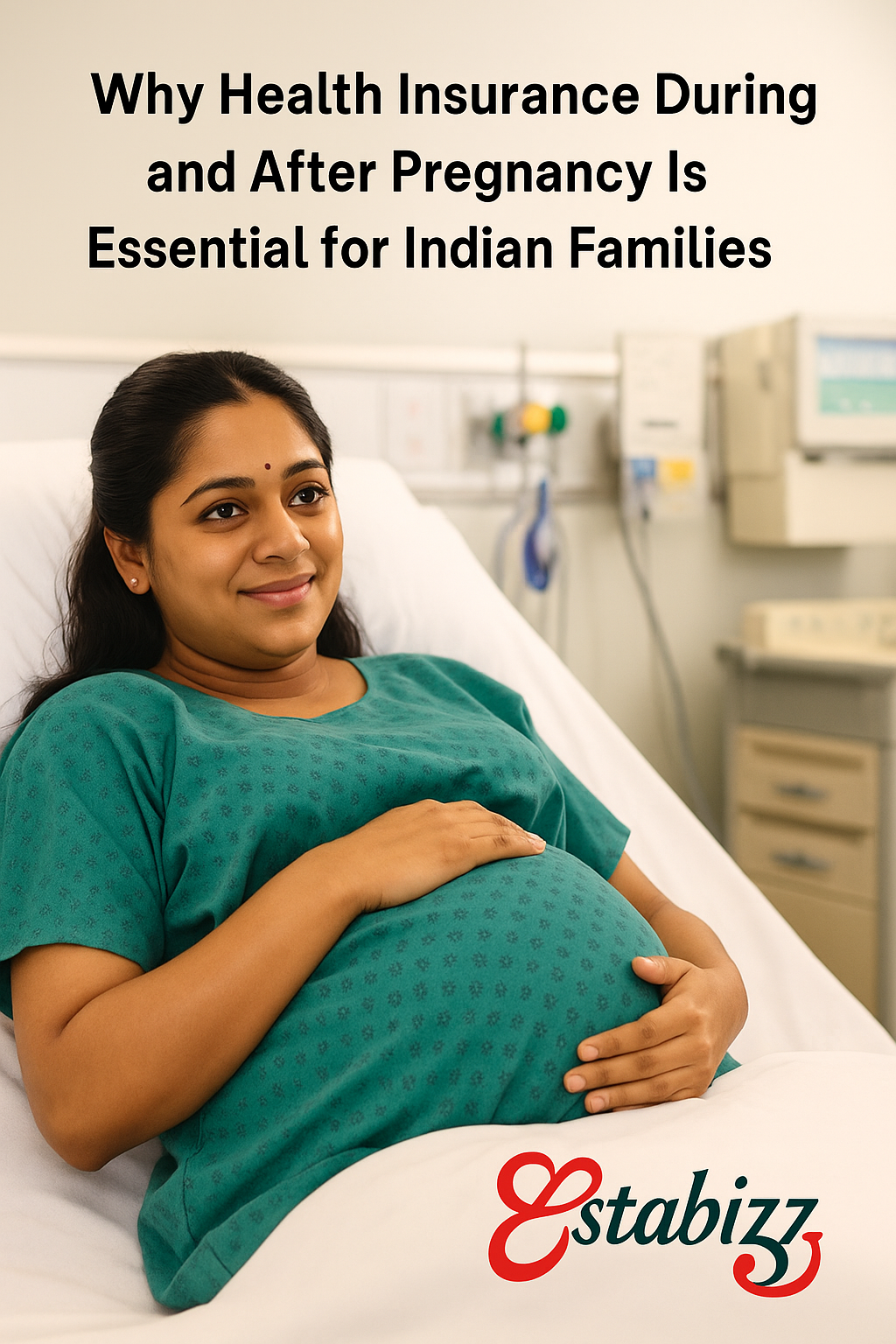
Why Health Insurance During and After Pregnancy Is Essential for Indian Families
1. The High Cost of Pregnancy & Delivery in India
Pregnancy isn’t just physically demanding—it’s financially taxing too. In Indian metros:
- Normal delivery: ₹50,000–₹1,00,000
- C-section: ₹75,000–₹2,00,000
- Complicated pregnancies (e.g., high-risk pregnancies, gestational diabetes): ₹2–4 lakh+
With CA-19% inflation, these figures may surge. Insurance becomes a key buffer to shield families from perforating their savings or going into debt.
2. IRDAI Maternity Coverage Mandate
Under IRDAI regulations:
- Policies must cover up to two pregnancies/lifetime
- Includes prenatal and postnatal hospitalization
- Covers legal/martial termination of pregnancy
- Must insure newborns from Day 1
- Applies to normal and C-section deliveries, and related complications
Policies typically impose waiting periods of 9–36 months before maternity cover activates, making early planning vital.
3. Why Early Purchase Matters
If you purchase insurance after becoming pregnant, you risk:
- Policy waiting period: You may not get cover when needed most
- Claim denial since maternity policies may not retroactively apply
To secure uninterrupted cover, it’s best to get insured well before conception—ideally 1–2 years before planning for a child.
4. The Role of Wellness and Preventive Benefits
Modern maternity insurance plans go beyond just hospitalization:
- Annual check-ups for mothers (blood pressure, sugar, thyroid, etc.)
- Vaccination boosters and preventive screening for diseases like cervical and breast cancer
- Wellness programs (yoga, prenatal classes, stress-management sessions)
These perks contribute to better maternal health—reducing complications, and hence reducing claim risk.
5. Newborn Coverage: Protecting Those First Precious Days
Newborn care can be expensive. With a good maternity plan, families get:
- Neonatal ICU (NICU) costs
- Vaccinations at birth
- Ophthalmic and other newborn screenings
- Doctor consultations and weight check-ups
This ensures that healthcare begins immediately for the baby—no added financial stress.
6. Why Family Floater Plans Make Sense
Family floaters offer cost-efficiency and adaptive cover:
- Insure spouses, children, and often parents/in-laws
- Simplifies policy management under a single premium
- Covers the new mom, newborn, and growing family needs
Choose plans that allow coverage additions, flexible tenures, and high sum assured to match current and future needs.
7. Common Pitfalls & How to Avoid Them
| Pitfall | How to Avoid |
|---|---|
| Hidden sub-limits (room rent/intensive care) | Read policy fine print carefully |
| Exclusion clauses (e.g., infertility treatment) | Understand what’s covered/not covered |
| Cashless hospital network limits | Choose insurers with wide maternity hospital empanelment |
| Late policy purchase | Buy long before pregnancy planning |
| Insufficient sum assured | Choose a sum that accounts for C-sections, complications, and postnatal cost inflation |
8. Estabizz’s Guidance: Choosing the Right Plan
At Estabizz Fintech, we advise:
- Evaluate your family’s medical history for pregnancy risk factors
- Compare plans with high maternity cover (₹5–10 lakh+)
- Check official IRDAI maternity guidelines on maternity benefits
- Select policies with wellness add-ons or incentives for regular check-ups
- Ensure network hospitals cover maternity services
- Confirm newborn claim provisions and policy portability features
9. Claim Process: Tips for Smooth Experience
- Inform insurer of expected delivery date 45 days in advance
- Use cashless hospitalization through empanelled hospitals
- Retain all medical records, doctor certificates, test reports
- Submit claim within the insurer’s timeline (usually 15–30 days)
- For newborn claims, submit his/her birth certificate and medical documents promptly
10. Wellness Benefits: Keeping Mothers Healthy Beyond Childbirth
Many modern health insurance plans now include wellness incentives like:
- Free annual health check-ups
- Discounts on yoga and fitness programs
- Preventive screenings for diabetes, hypertension, and breast cancer
These benefits encourage mothers to take charge of their health—preventing complications and ensuring faster recovery after childbirth.
11. Family Floater Plans: The Smarter Choice for Growing Families
A family floater policy offers a single premium that covers multiple family members, including:
- The mother
- Spouse
- Dependent children
- Parents and even in-laws in some cases
These plans offer flexibility and cost-effectiveness, especially as the family grows. Always ensure the policy allows for customisation in terms of sum insured and tenure.
12. Post-Pregnancy and Newborn Care
The first few months after birth are critical for both mother and baby. Health insurance with maternity benefits often includes:
- Newborn vaccinations
- Neonatal intensive care unit (NICU) expenses
- Follow-up consultations and recovery support for mothers
Choosing the right policy ensures that these costs do not burden your savings.
13. Choosing the Right Plan: What to Watch Out For
Before finalising your health insurance:
- Check the waiting period for maternity benefits
- Ensure newborn care is covered from Day 1
- Confirm hospital networks, particularly maternity hospitals
- Opt for a higher sum insured considering inflation and city-based costs
- Look for cashless claim settlement to avoid upfront payments
14. Conclusion: Insurance is the New Parenting Partner
Motherhood is a beautiful, emotional, and often unpredictable journey. A good health insurance plan protects this journey—financially and emotionally. For Indian families, it ensures that medical emergencies during pregnancy or after birth don’t disrupt dreams, savings, or peace of mind.
Remember, buying insurance isn’t just a transaction—it’s a heartfelt investment in your family’s future.
15. Final Takeaway: Insurance as Emotional & Financial Support
Health insurance during and after pregnancy offers:
- Immediate financial relief during maternity and recovery
- Access to routine and preventive care for mother and child
- Peace of mind—so families can focus on well-being, not bills
In essence, maternity insurance isn’t just a policy—it’s an emotional investment, protecting your joy, savings, and future.
🛡️ Disclaimer
The content presented in this article is intended for informational purposes only and should not be construed as professional financial, medical, or legal advice. Insurance products, benefits, and terms vary across insurers and are subject to change based on regulatory guidelines and individual underwriting policies. Readers are strongly advised to consult with a licensed insurance advisor or financial planner before making any insurance-related decisions, especially concerning maternity, critical illness, or family floater plans. References to IRDAI regulations and insurer practices are accurate as of the date of publication but may be updated over time. Neither the author nor the publishing entity shall be held responsible for any financial loss, claim rejection, or misunderstanding arising from actions taken based on this content.
IRDAI Omits Age Restriction on Health Insurance for 65-Year-Olds in India
Is Your Health Insurance Plan Being Withdrawn? Here’s How to Quickly Adjust and Stay Protected