Unified Lending Interface: India’s Next Big Leap in Digital Credit Delivery
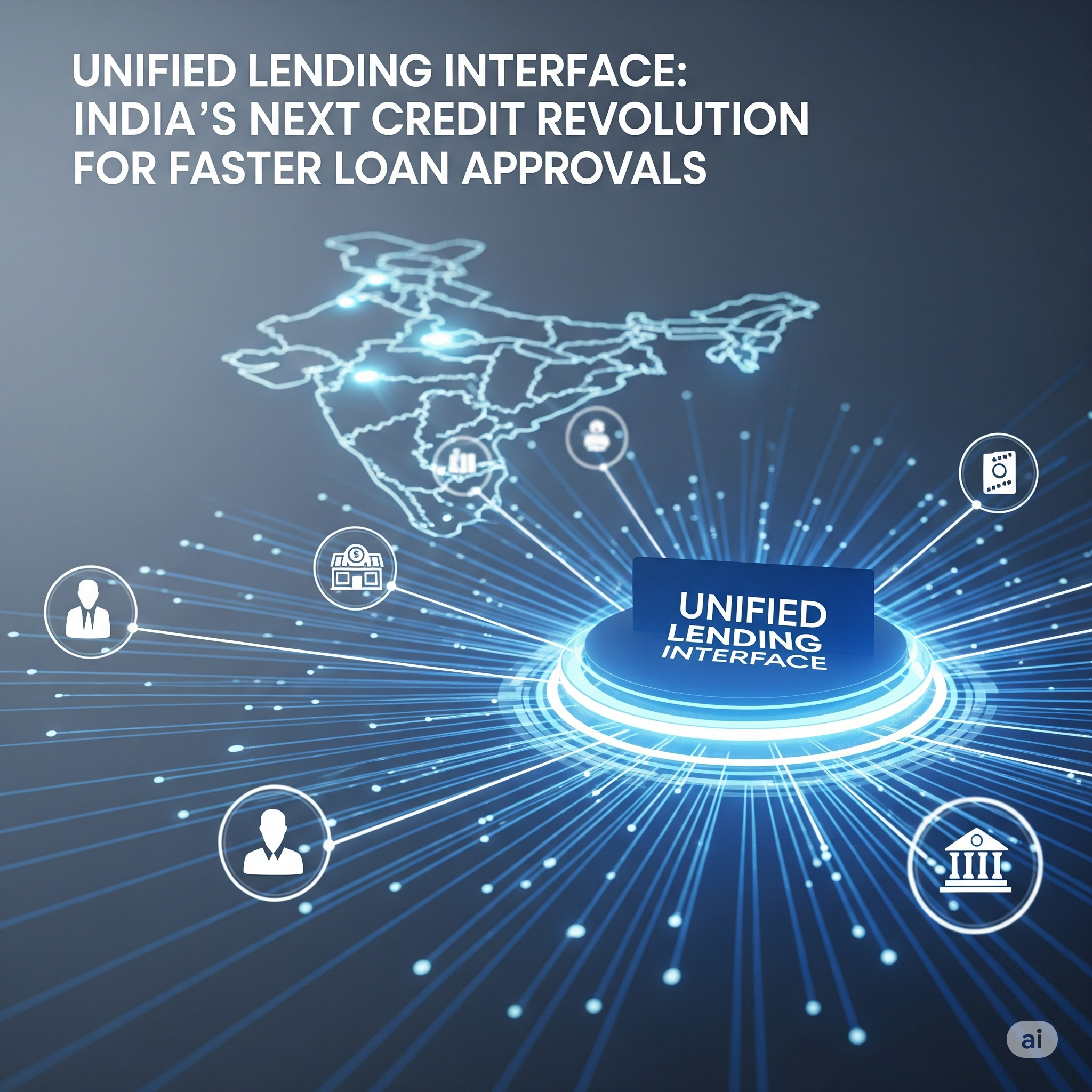
Unified Lending Interface: India’s Next Credit Revolution for Faster Loan Approvals
Unified Lending Interface: Paving the Way for Seamless Credit Empowerment
The Unified Lending Interface (ULI), a forthcoming digital public infrastructure initiative, is rapidly gaining momentum as India’s next potential game-changer in credit facilitation. Envisioned to streamline the loan disbursal process for borrowers and lenders alike, this consent-based platform is expected to offer timely access to borrower data from a multitude of verified sources.
In a recent development underscoring the government’s commitment to inclusive credit expansion, Mr. M. Nagaraju, Secretary of the Department of Financial Services (DFS), convened a high-level meeting with officials from the Reserve Bank of India (RBI) and representatives of various Union Ministries, State Governments, and key institutions such as the Reserve Bank Innovation Hub (RBIH). The central agenda: accelerating the rollout and adoption of the Unified Lending Interface across India.
What is the Unified Lending Interface (ULI)?
The Unified Lending Interface is being built as a digital platform that aggregates financial and non-financial data from multiple sources, including public authorities and private entities. Importantly, access to this data will be strictly consent-based, ensuring borrowers retain control over their personal and financial information.
From a structural standpoint, ULI is expected to bridge the critical gap between digital identity, verified data, and accessible finance—particularly for the micro, small, and medium enterprises (MSME) sector.
Vision Behind ULI: Credit Inclusion Through Technology
Speaking at the meeting, Mr. Nagaraju emphasized that ULI is envisioned as a “digital public infrastructure for credit delivery”, seamlessly blending technology, data, and policy into a unified interface. This approach mirrors the impact made by UPI in the payments ecosystem, but this time focused squarely on the credit domain.
He urged all participating departments to nominate dedicated nodal officers for fast-tracking the integration of relevant datasets with the ULI platform. This collaborative approach is key to ensuring that the necessary infrastructure is in place to support a nationwide rollout.
Key Benefits of the Unified Lending Interface
1. Faster Loan Approvals
By granting lenders instant access to consent-based borrower data, ULI eliminates the time-consuming process of gathering information from scattered sources.
2. Reduced Paperwork and Verification Delays
The unified interface will significantly cut down on documentation requirements and manual verifications, reducing friction in the lending lifecycle.
3. Support for MSMEs
ULI’s data infrastructure is designed to empower MSMEs, many of whom struggle with formal credit access due to lack of documentation or verified income proof.
4. Consent-Driven Transparency
Borrowers will have the authority to share their data with lenders, bringing transparency and trust into the credit ecosystem.
Stakeholder Participation and Integration Roadmap
The recent meeting brought together senior representatives from:
- 13 Union Ministries and Departments
- 11 State Governments
- RBI and RBIH
- Department of Financial Services (DFS)
This multi-stakeholder representation reflects the government’s whole-of-government approach in ensuring ULI is not just a digital initiative, but a policy-backed, ecosystem-wide reform.
Each stakeholder will play a vital role in integrating key public datasets, such as:
- Land and property records
- Utility bill payment histories
- GST data
- Credit scores
- Vehicle registration records
- Business registrations and compliance
The Road Ahead for ULI
While currently in the testing phase, the Unified Lending Interface is expected to be launched nationwide in the coming months. Upon launch, it will mark a transformative step in India’s journey toward data-driven, equitable credit access.
With robust support from the Ministry of Finance, RBI, and state authorities, ULI may well become India’s next “UPI for credit”, revolutionizing how loans are approved, verified, and disbursed.
Conclusion: A New Era of Lending Begins
The introduction of the Unified Lending Interface signals a major leap in credit innovation and financial inclusion. By simplifying data access for lenders and empowering borrowers through a consent-based model, ULI holds the potential to redefine India’s credit landscape, especially for MSMEs and underserved sectors.
As integration continues and infrastructure solidifies, stakeholders across the board are advised to stay engaged, proactive, and compliant with the evolving ecosystem to harness the full benefits of this promising digital reform.
Disclaimer :
The information presented in this article is for general educational and informational purposes only and does not constitute legal, financial, or professional advice. While every effort has been made to ensure the accuracy and relevance of the content at the time of publication, Estabizz Fintech makes no representations or warranties of any kind, express or implied, about the completeness, accuracy, reliability, suitability, or availability of the information provided.
This blog reflects publicly available updates, regulatory developments, and expert commentary on the Unified Lending Interface (ULI) and related digital credit infrastructure initiatives by government and regulatory authorities, including but not limited to the Reserve Bank of India (RBI), Reserve Bank Innovation Hub (RBIH), and the Department of Financial Services (DFS), Ministry of Finance.
Readers are advised to consult appropriate professionals, financial institutions, or legal experts before making any business, lending, borrowing, or policy-related decisions based on this content. ULI is currently in its development phase, and policies, operational protocols, or regulatory frameworks may evolve as the platform matures.
Estabizz Fintech disclaims any liability arising directly or indirectly from the use of or reliance on the content of this publication. By accessing this article, you acknowledge and agree that Estabizz Fintech shall not be held responsible for any loss or damages that may arise from your interpretation, usage, or application of the information herein.
For tailored legal advisory or compliance consulting related to credit infrastructure, MSME financing, or data-sharing regulations, please contact our qualified team of professionals at www.estabizz.com.
How RBI’s New Regulations on Consumer Credit Will Affect Fintech Lenders
Will ULI Change the Lending Landscape?